
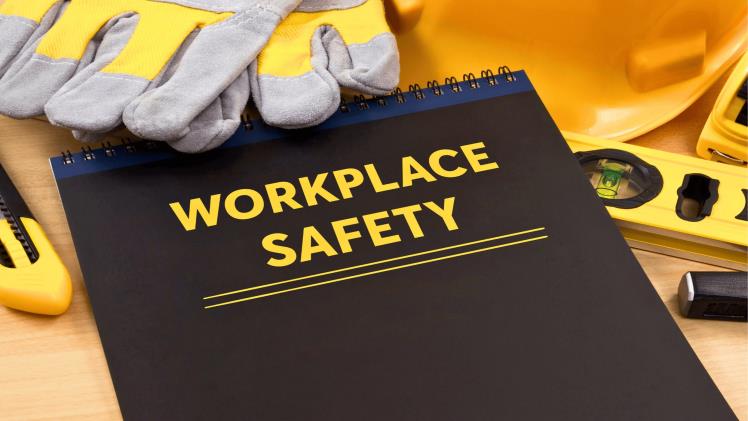
Workplace safety training is a fundamental component of any organization’s operational framework. It encompasses a variety of practices and protocols designed to educate employees about potential hazards they may encounter in their work environment. The primary goal of such training is to minimize the risk of accidents and injuries, thereby fostering a safer workplace.
This training can take many forms, including orientation sessions for new hires, specialized training for specific roles, and ongoing education to keep all employees informed about the latest safety practices and regulations. At its core, workplace safety training should cover essential topics such as emergency procedures, proper use of personal protective equipment (PPE), and safe handling of hazardous materials. For instance, in a manufacturing setting, employees might receive training on how to operate machinery safely, while those in a healthcare environment may focus on infection control and patient handling techniques.
The effectiveness of this training is often measured by the reduction in workplace incidents and the overall improvement in employee morale, as workers feel more secure knowing they are equipped to handle potential dangers.
The Legal Requirements for Workplace Safety Training
Legal requirements for workplace safety training vary significantly across different jurisdictions and industries. In many countries, regulations are established by governmental bodies that oversee occupational health and safety. For example, in the United States, the Occupational Safety and Health Administration (OSHA) mandates that employers provide a safe working environment and outlines specific training requirements for various industries.
Employers are required to inform employees about workplace hazards and provide training that is relevant to their specific job functions. Failure to comply with these legal requirements can result in severe consequences for organizations, including hefty fines, legal liabilities, and increased insurance premiums. Moreover, non-compliance can lead to workplace accidents that not only harm employees but also damage the organization’s reputation.
Therefore, it is crucial for employers to stay informed about applicable laws and regulations and ensure that their training programs meet or exceed these standards. Regular audits and assessments can help organizations identify gaps in their training programs and make necessary adjustments to remain compliant.
The Role of Management in Ensuring Workplace Safety
Management plays a pivotal role in fostering a culture of safety within an organization. Leaders are responsible for setting the tone regarding safety practices and ensuring that safety is prioritized at all levels of the organization. This involves not only implementing safety policies but also actively participating in safety training sessions and demonstrating a commitment to safety through their actions.
When management prioritizes safety, it sends a clear message to employees that their well-being is valued. Moreover, effective communication from management regarding safety protocols is essential. This includes providing clear instructions on safety procedures, encouraging employees to voice concerns about potential hazards, and recognizing individuals or teams who exemplify safe practices.
By engaging with employees on safety matters, management can create an environment where safety is viewed as a shared responsibility rather than merely a compliance issue. This collaborative approach can lead to increased employee buy-in and a more proactive stance on safety throughout the organization.
Identifying and Mitigating Workplace Hazards
Identifying workplace hazards is a critical step in creating a safe work environment. Hazards can be categorized into several types: physical, chemical, biological, ergonomic, and psychosocial. Physical hazards may include machinery, uneven surfaces, or inadequate lighting, while chemical hazards involve exposure to harmful substances such as solvents or gases. You may need kitchen safety mats, better signage or other safety elements.
Biological hazards could stem from exposure to infectious agents or allergens, while ergonomic hazards relate to workplace design that may lead to musculoskeletal disorders. Psychosocial hazards encompass stressors that can affect mental health, such as workplace bullying or excessive workloads. Once hazards are identified, organizations must take proactive measures to mitigate these risks.
This can involve implementing engineering controls, such as installing guards on machinery or improving ventilation systems, as well as administrative controls like rotating job assignments to reduce repetitive strain injuries. Additionally, providing employees with appropriate PPE is essential for protecting them from specific hazards. Regular risk assessments and employee feedback can help organizations continuously refine their hazard identification processes and ensure that mitigation strategies remain effective.
The Importance of Ongoing Training and Refresher Courses
Ongoing training and refresher courses are vital components of an effective workplace safety program. As industries evolve and new technologies emerge, the nature of workplace hazards can change significantly. Regular training ensures that employees remain informed about the latest safety practices and are equipped to handle new challenges as they arise.
For instance, advancements in machinery may require updated training on safe operating procedures or new PPE requirements. Refresher courses also serve to reinforce the importance of safety protocols among employees who may become complacent over time. Regularly revisiting safety topics helps keep them top-of-mind and encourages employees to remain vigilant about potential hazards.
Furthermore, ongoing training can foster a culture of continuous improvement where employees feel empowered to contribute ideas for enhancing safety practices within the organization.
The Benefits of Investing in Workplace Safety Training
Investing in workplace safety training yields numerous benefits for organizations beyond mere compliance with legal requirements. One of the most significant advantages is the reduction in workplace accidents and injuries, which can lead to lower workers’ compensation costs and decreased absenteeism. A safer work environment not only protects employees but also enhances productivity by minimizing disruptions caused by accidents.
Additionally, organizations that prioritize safety training often experience improved employee morale and retention rates. When employees feel safe at work, they are more likely to be engaged and committed to their roles. This positive work environment can also enhance an organization’s reputation, making it more attractive to potential hires and clients alike.
Furthermore, companies known for their commitment to safety may enjoy competitive advantages in their respective markets, as clients increasingly seek partners who prioritize employee well-being.
Creating a Culture of Safety in the Workplace
Creating a culture of safety requires a concerted effort from all levels of an organization. It begins with leadership demonstrating a genuine commitment to safety through their actions and decisions. This commitment should be reflected in policies, resource allocation for safety initiatives, and open communication about safety concerns.
Employees should feel empowered to speak up about potential hazards without fear of retribution, fostering an environment where safety is viewed as a shared responsibility. In addition to leadership involvement, engaging employees in safety initiatives can further strengthen this culture. Involving workers in safety committees or encouraging them to participate in hazard assessments can provide valuable insights into potential risks that management may overlook.
Recognizing and rewarding safe behaviors can also reinforce the importance of safety within the organization. By celebrating successes related to safety improvements or accident reductions, organizations can cultivate a sense of pride among employees regarding their contributions to maintaining a safe work environment.
Implementing Effective Training Programs for Workplace Safety
Implementing effective training programs for workplace safety involves several key steps that ensure the training is relevant, engaging, and impactful. First, organizations must conduct a thorough assessment of their specific needs based on industry standards, regulatory requirements, and identified hazards within the workplace. This assessment will guide the development of tailored training content that addresses the unique challenges faced by employees.
Next, utilizing diverse training methods can enhance engagement and retention of information among employees. Blended learning approaches that combine classroom instruction with hands-on practice or e-learning modules and social media for business that can cater to different learning styles and preferences. Additionally, incorporating real-life scenarios or simulations into training sessions allows employees to practice responding to emergencies or handling hazardous materials in a controlled environment.
Finally, evaluating the effectiveness of training programs is crucial for continuous improvement. Organizations should gather feedback from participants through surveys or discussions following training sessions to identify areas for enhancement. Tracking metrics such as incident rates before and after training implementation can provide valuable insights into the program’s impact on workplace safety.
By regularly reviewing and updating training programs based on feedback and evolving industry standards, organizations can ensure they maintain a robust approach to workplace safety training that effectively protects their employees.
